Effective Marketing Relies on Clear Business Goals and Strategy
Effective marketing isn’t just about catchy ads or social media posts—it’s about aligning every marketing effort with clear business goals and a solid strategy. Without a defined direction, marketing campaigns can become unfocused, waste resources, and fail to drive real results.
Clear Goals Provide Direction
Marketing works best when there’s a clear objective to achieve. Whether it’s increasing brand awareness, generating leads, boosting sales, or entering a new market, having well-defined goals ensures that every marketing effort is intentional and measurable.
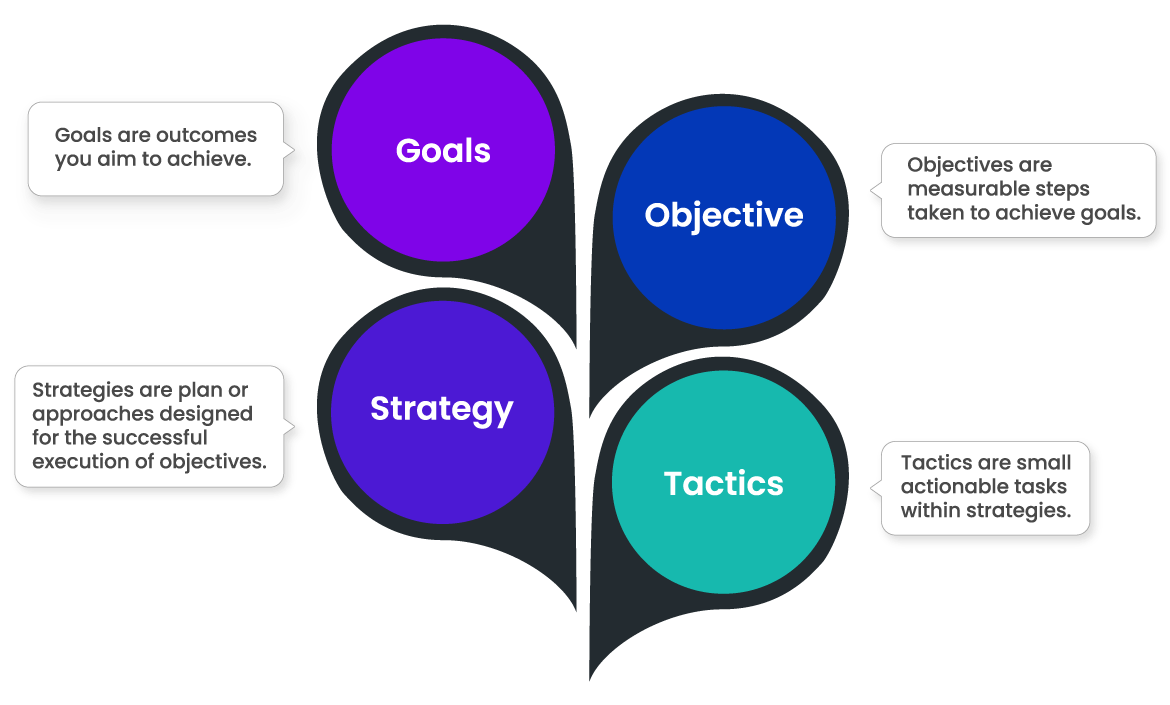
Strategy Creates a Roadmap
A marketing strategy outlines the how behind achieving business goals. It determines:
- Target audience – Who are you marketing to?
- Messaging – What key value do you communicate?
- Channels – Where will you engage your audience?
- Tactics – What specific campaigns will drive action?
Without a strategy, businesses risk random, inconsistent marketing that fails to connect with their audience or support long-term growth.
Efficient Use of Resources
Time, money, and effort are wasted when marketing lacks clear objectives. A goal-driven strategy ensures that businesses:
- Invest in the right platforms (SEO, social media, email, paid ads)
- Focus on high-impact tactics
- Measure results and adjust strategies accordingly
Better Performance Tracking & ROI
When marketing is linked to specific business goals, it becomes easier to track key performance indicators (KPIs) and determine return on investment (ROI). Businesses can analyze what’s working, optimize underperforming efforts, and make data-driven decisions.
Stronger Brand Identity & Consistency
Marketing without a clear strategy often leads to inconsistent messaging, confusing potential customers. A strategic approach ensures that every campaign reinforces the brand’s values, mission, and unique selling points.
Marketing is not just about promotion—it’s about purposefully driving business success. By setting clear goals and building a strategic roadmap, businesses can maximize their marketing impact, improve customer engagement, and achieve sustainable growth.